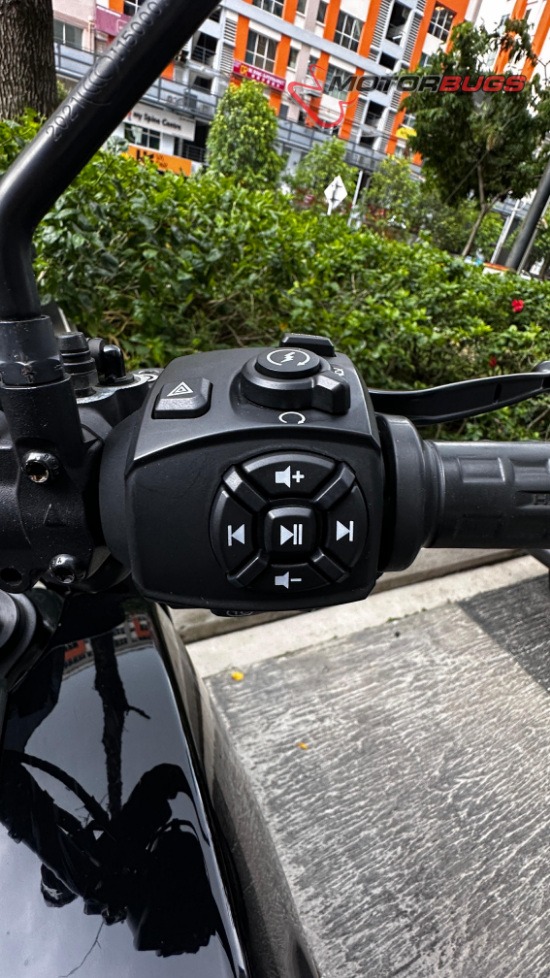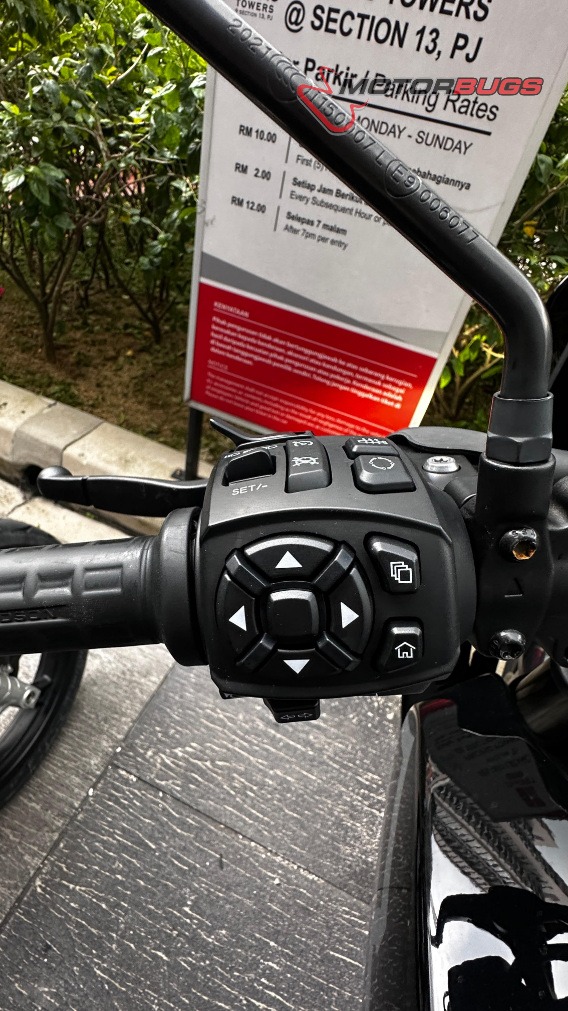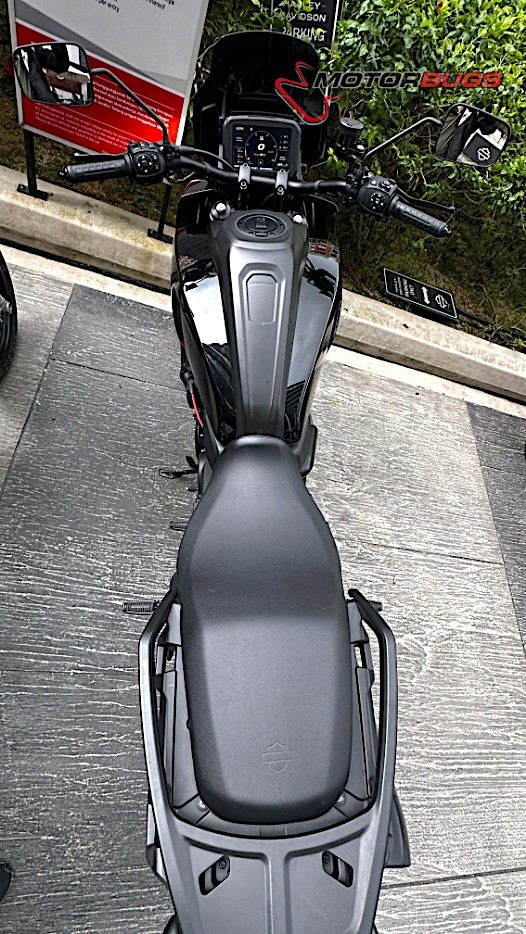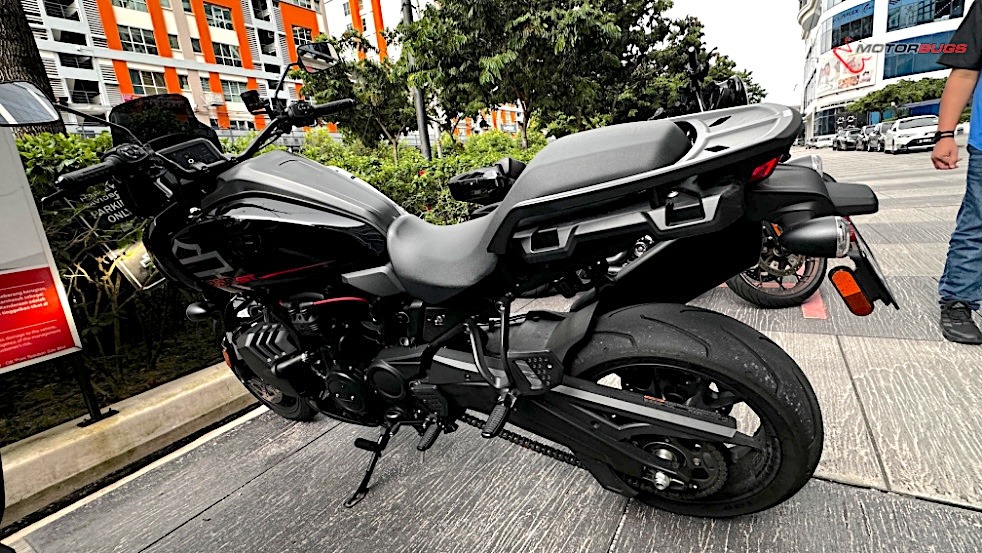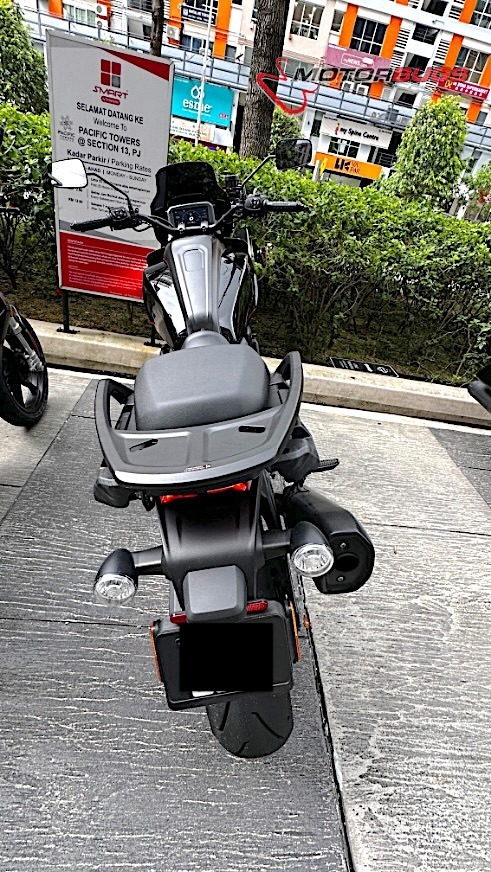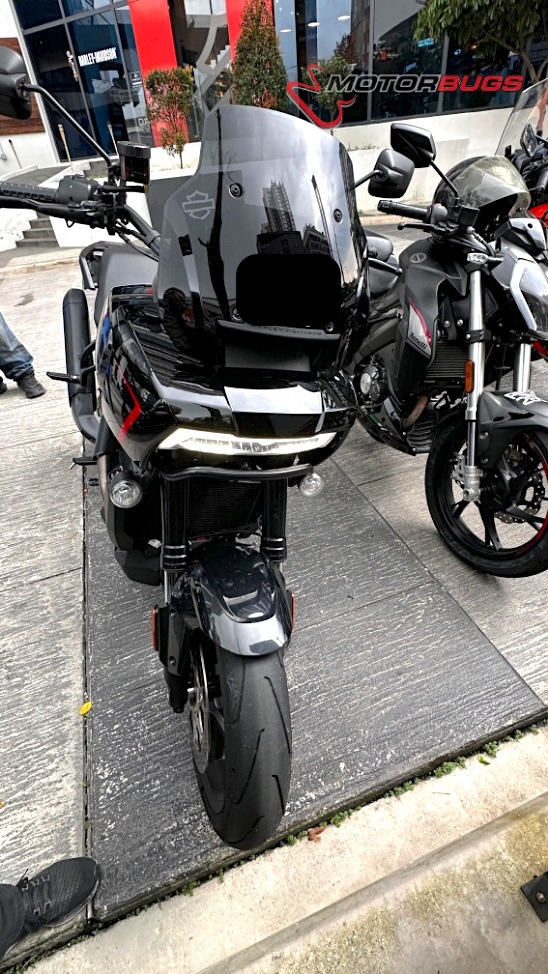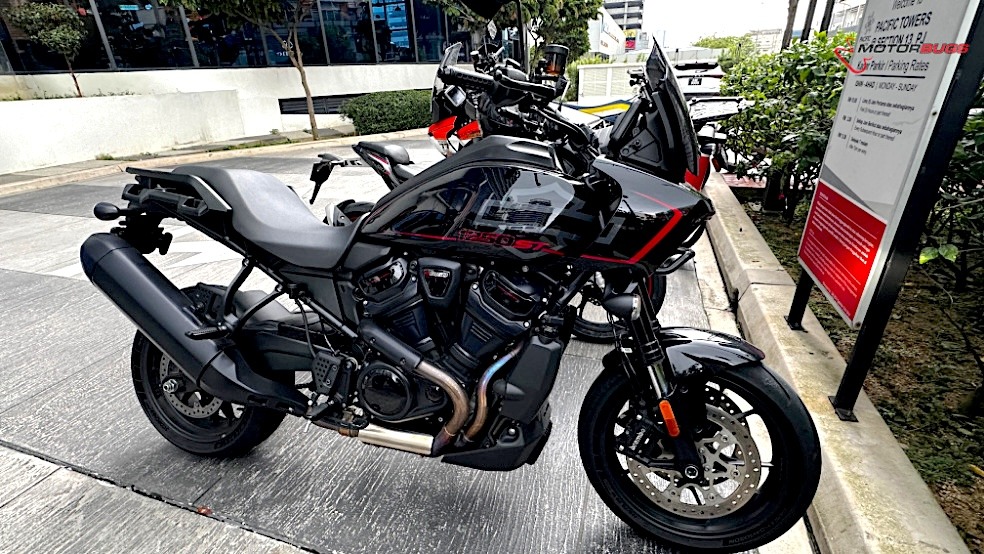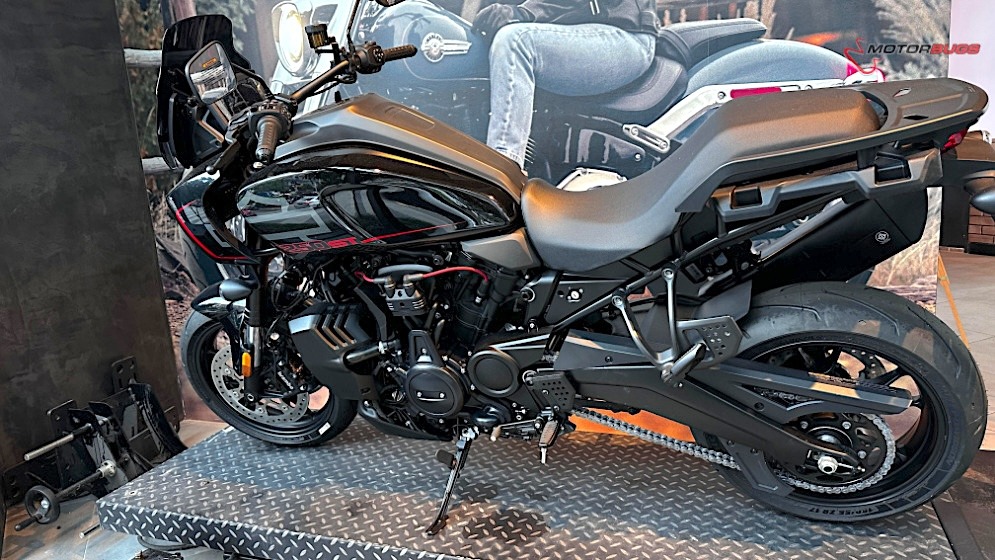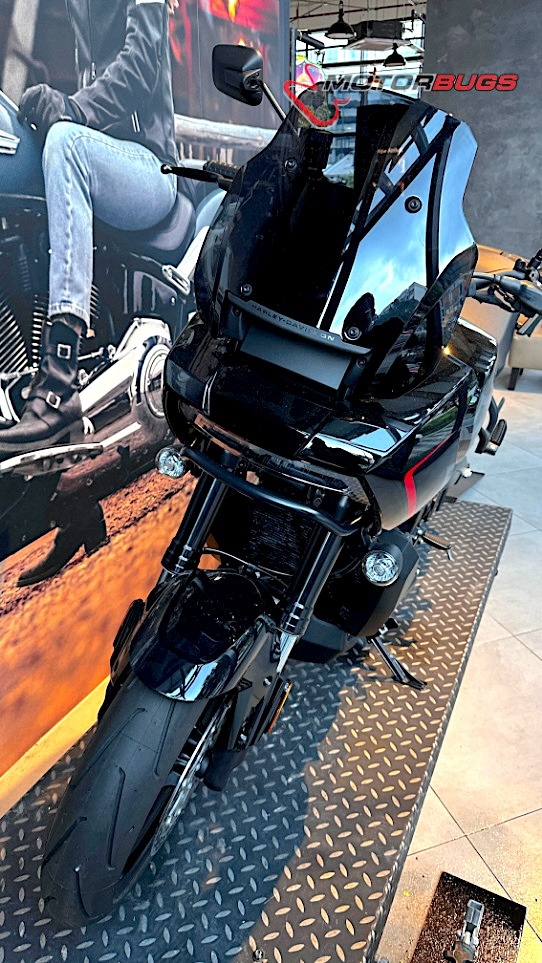
Harley-Davidson has never been a brand that shies away from reinvention, and the Pan America ST 1250 is proof of that. Designed as a more road-focused alternative to the standard Pan America adventure bike, the ST combines the American manufacturer’s performance-oriented Revolution Max engine with a lower, street-biased setup. While it delivers impressive handling and modern technology, a recent test ride revealed several areas that still require attention before it becomes the complete package Malaysian riders may expect.
Powering the Pan America ST 1250 is Harley-Davidson’s liquid-cooled Revolution Max 1250 V-twin engine producing 149 hp and 124 Nm of torque. The motorcycle is equipped with a six-speed transmission, a 21.2-litre fuel tank, Michelin Scorcher tyres and a TFT touchscreen instrument panel. The bike weighs approximately 248 kg in running order and offers a claimed fuel consumption of 5.5 litres/100 km
In Malaysia, the Pan America 1250 range is priced from around RM99,900 to RM115,900 depending on variant and equipment level.
The first surprise comes from the exhaust note. Riders familiar with Harley-Davidson’s iconic rumble may leave slightly disappointed. The Pan America ST’s exhaust is refined and performance-oriented, but it lacks the deep, unmistakable soundtrack associated with the brand’s traditional cruisers. While this may appeal to riders seeking a more sophisticated character, long-time Harley enthusiasts could find it somewhat lacking in personality.
On the road, the bike demonstrates excellent handling. The standard Michelin tyres provide reassuring grip through corners, and the chassis feels remarkably composed for a motorcycle of its size. Direction changes are surprisingly easy, giving the ST a sporty nature that suits Malaysian mountain roads such as Genting Highlands or the winding stretches of Janda Baik.
However, some vibration through the handlebars became noticeable during extended riding. While not severe, the steering vibration can create a degree of numbness in the rider’s hands over longer journeys. For a motorcycle positioned as a sport-touring machine, further refinement in vibration management would improve long-distance comfort.
Practicality is another mixed area. The fuel tank filler is positioned quite far forward, making it difficult to view during refuelling. As a result, riders may find themselves leaning awkwardly at petrol stations, while petrol fumes can become overwhelming due to the tank’s design and positioning.
Heat management is perhaps the most significant concern. The Revolution Max engine delivers strong performance, but the heat dissipation around the rider’s legs is noticeable, particularly in Malaysia’s hot and humid climate. During slow-moving traffic, engine heat can become uncomfortable, suggesting that Harley-Davidson could further optimise airflow and thermal management.
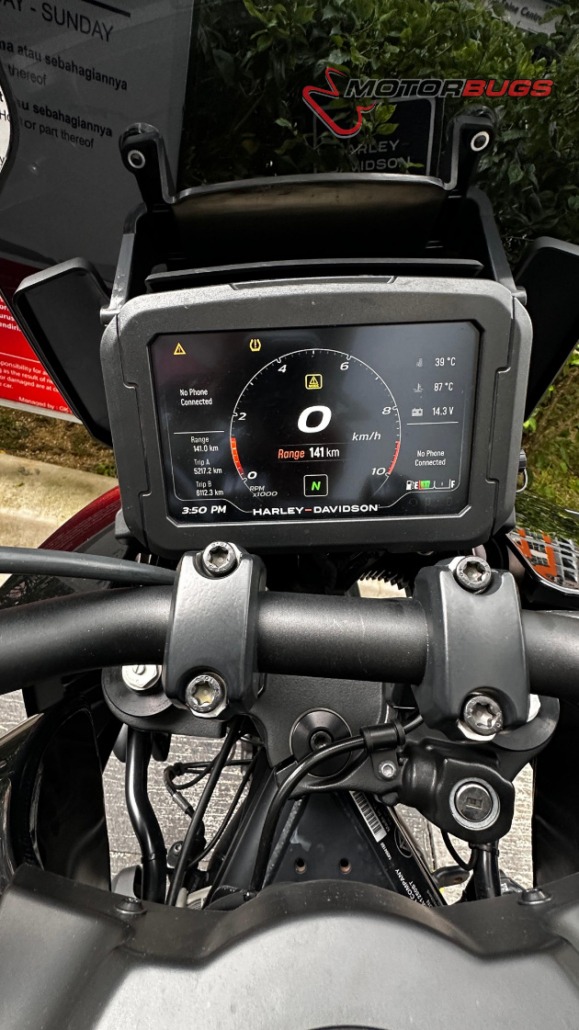
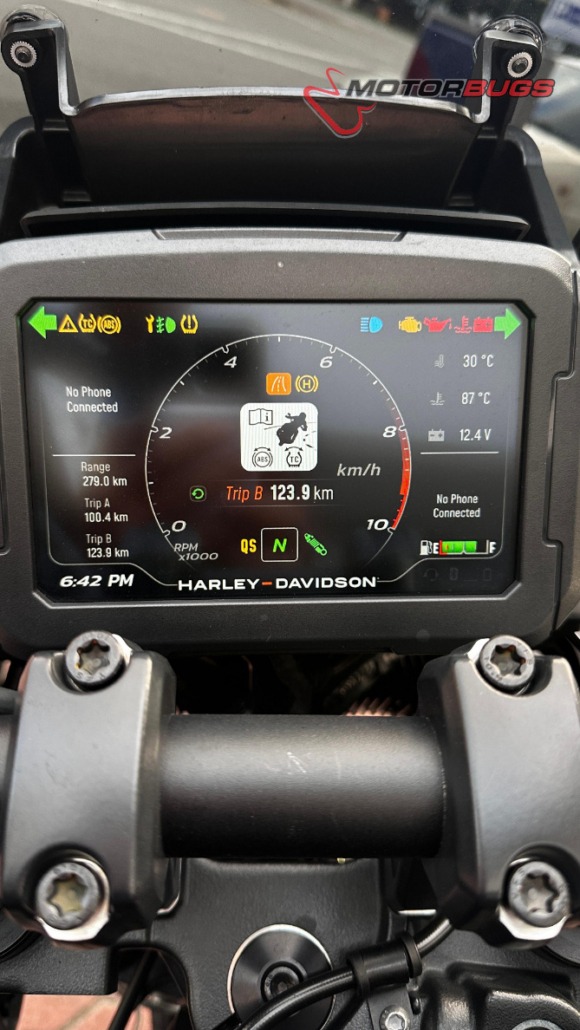
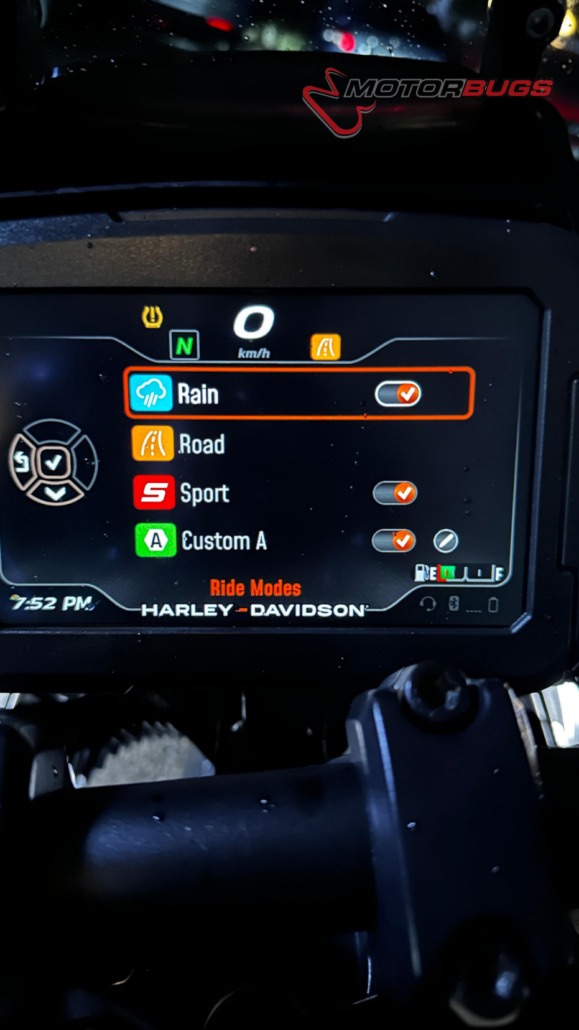
One area where the Pan America ST excels is visibility. The TFT instrument panel remains sharp and easy to read even under bright tropical sunlight, ensuring important ride information is always accessible.
The windscreen, however, is less impressive. Wind protection at highway speeds is merely adequate, and turbulent airflow becomes noticeable around the helmet area. An adjustable screen should be considered essential equipment for riders planning long-distance touring.
Overall, the Harley-Davidson Pan America ST 1250 is a capable and engaging road-focused adventure tourer with standout handling, strong performance and excellent instrumentation. Yet improvements in exhaust character, heat management, fuelling ergonomics and wind protection would elevate the riding experience significantly. For Malaysian riders seeking a distinctive alternative to European adventure-touring machines, the Pan America ST remains an intriguing and enjoyable option, albeit one that still has room to mature.
Credits : Photos and content courtesy of Justin Hong
Check Out Our Instagram Feed


Check Out Our Facebook Feed

KTM Malaysia launched the 990 RC R & 1390 Adventure range. # KTM #ktmmalaysia #ktm990rcr #ktm1390adventure
Zeekr Carro opens a new service center today at Bandar Sri Damansara. Zeekr existing and potential owners now have an additional center to get your ride taken care of. Drop by and check it out. #ZeekrMalaysia #ZEEKR #ZeekrCarro #motorBugs #zeekrservicecentermalaysia