Malaysia’s EV Reality Check: Strong Sales Growth, Weak Charging Infrastructure
Malaysia’s electric vehicle (EV) industry is enjoying unprecedented growth. According to data from the Malaysian Automotive Association (MAA), EV sales surged to 30,848 units in 2025, a 109% increase from 2024. Separately, JPJ registration data showed 44,813 EVs registered during the year, with EVs accounting for 5.2% of all new vehicle registrations. The figures suggest that Malaysians are increasingly embracing electrification. Yet behind the impressive sales numbers lies an uncomfortable truth: the country’s charging infrastructure remains far from ready to support mass EV adoption.
Too Many Cars, Too Few Convenient Chargers
The biggest complaint among EV owners is no longer vehicle range. It is charging convenience.
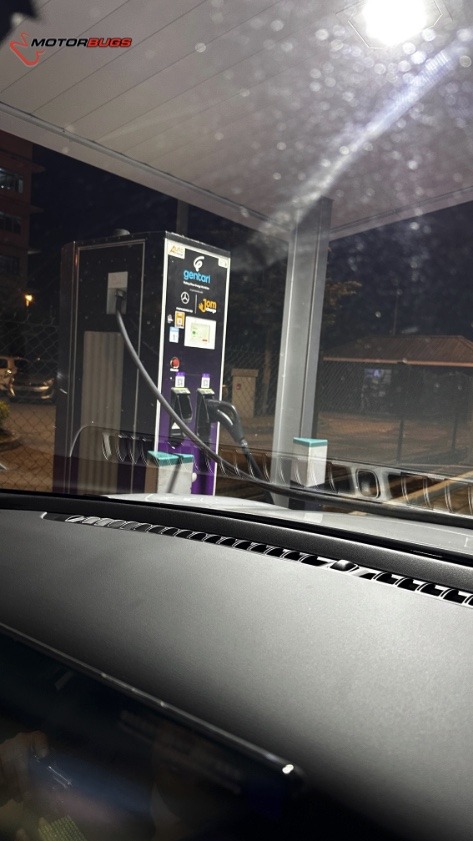
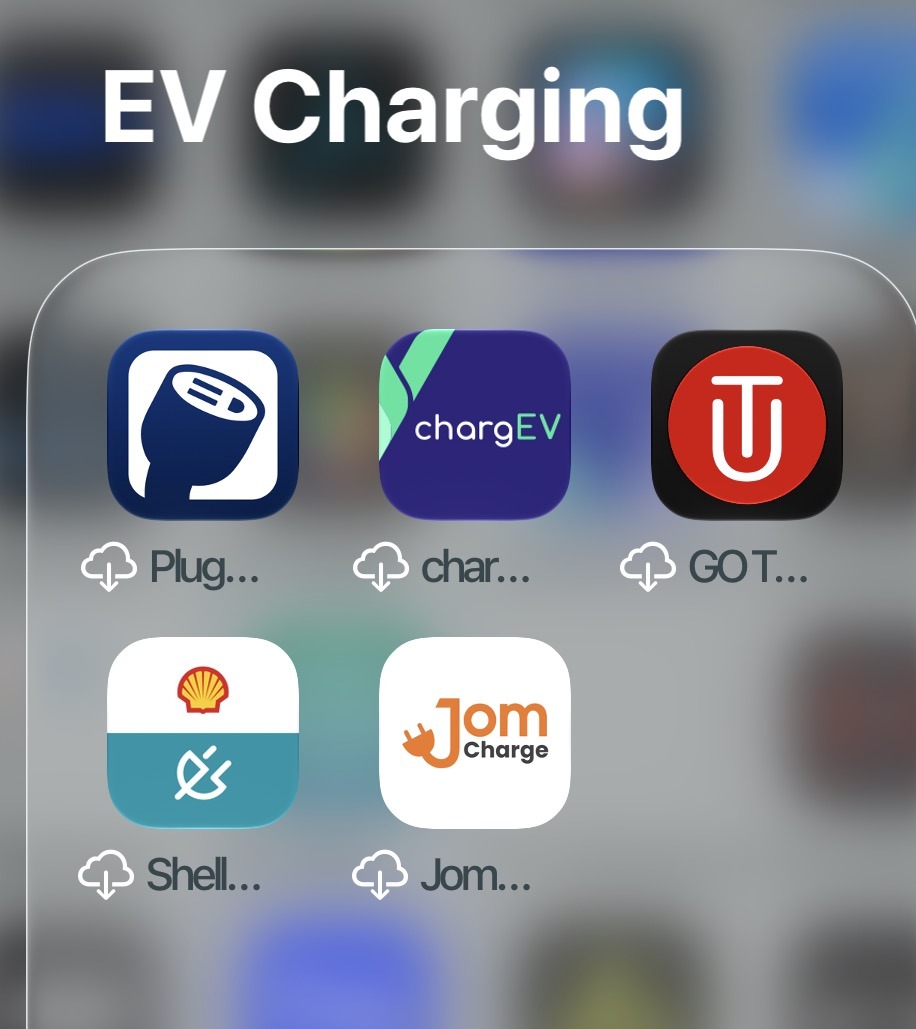
Despite the growing number of charging providers, the user experience remains fragmented. Unlike fuel stations where motorists can simply pull in, fill up and pay, EV drivers often need multiple mobile applications just to access different charging networks.
Each charging operator typically requires its own app, registration process and payment setup. Drivers may find themselves downloading several separate applications, creating user accounts and repeatedly entering credit card details merely to use chargers across different networks.
From a consumer perspective, this creates unnecessary friction.
More importantly, every additional application requiring personal and payment information increases concerns about cybersecurity, data privacy and the potential misuse or commercialisation of user data. While charging operators are expected to comply with data protection regulations, many users remain uncomfortable storing sensitive financial information across numerous platforms.
The lack of a unified charging and payment ecosystem stands in stark contrast to the seamless experience consumers have come to expect from modern digital services.
Fast Chargers Still In Short Supply
The larger issue, however, is charger availability.
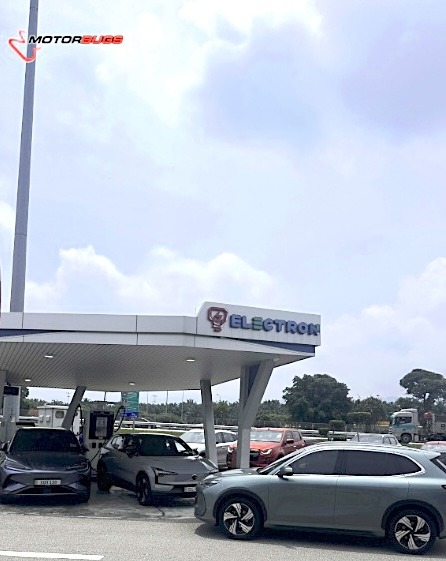
While charger deployments have increased over the past few years, highway fast-charging coverage remains insufficient for the growing EV population. Popular charging points along major interstate routes frequently experience congestion, particularly during weekends and holiday periods.
A recent journey from Petaling Jaya to Penang illustrates the challenge.
Starting with a battery charge of 93%, the vehicle was driven at slightly above highway speeds towards Penang. Upon reaching Tapah, the battery level had already dropped to approximately 21%.
At the Tapah R&R charging station, which was equipped with only two charging bays operated by TNB, both chargers were occupied upon arrival. After eventually securing a charging slot, it took slightly over an hour to recharge the battery to 98%.
Importantly, that figure excludes waiting time.
The same pattern repeated throughout the journey. Upon reaching Penang, the battery once again stood at around 21% and required another charging session lasting approximately one hour. On the return journey, a charging stop in Ipoh was needed when the battery dropped to about 39%, requiring another charge lasting more than an hour before returning to Petaling Jaya with around 24% battery remaining.
For long-distance travellers, these delays significantly extend overall travel times and diminish one of the key conveniences motorists enjoy with internal combustion engine (ICE) vehicles.
The Hidden Problem: No Queuing System
Perhaps the most overlooked issue is not charging speed, but queue management.
At many charging sites across Malaysia, there is no formal digital queuing system. Drivers simply arrive and wait.
At the Tapah R&R charging station, with only two charger bays available, waiting presented an unexpected challenge. Because the EV charging lots were adjacent to public parking spaces, waiting directly behind the charging vehicles would have obstructed other motorists.
This left only two choices: remain in the vehicle while double parking and risk inconveniencing others, or park elsewhere and hope no one claimed the next available charging slot.
Unfortunately, the latter happened.
Without a clear queueing mechanism, charging etiquette becomes subjective. As EV volumes grow, disputes over charging priority are likely to become increasingly common. What is currently a frustration could eventually escalate into confrontations between motorists.
A proper digital reservation or virtual queuing system should be considered essential infrastructure rather than an optional feature.
The Economics Are Becoming Harder to Ignore
Another uncomfortable reality is cost.
One of the traditional selling points of EV ownership has been lower operating expenses. However, public DC fast charging is not always cheap, particularly on long-distance journeys where drivers rely heavily on commercial charging providers.
During interstate travel, the cumulative charging costs, combined with prolonged charging sessions and waiting time, can erode some of the advantages that EVs are supposed to deliver.
In one real-world comparison, colleagues travelling in conventional ICE vehicles arrived at the destination earlier despite departing almost an hour later. Their overall journey costs were also lower.
For many consumers, convenience ultimately outweighs environmental benefits.
A Critical Policy Moment
Malaysia’s EV ambitions depend heavily on continued government support, investor confidence and infrastructure development.
For now, EV sales continue to be supported by incentives, tax exemptions and favourable policies. However, if infrastructure deployment fails to keep pace with vehicle sales, consumers may begin questioning the practicality of EV ownership, particularly in a country where petrol prices remain among the most affordable in the region.
The risk is clear. If charging remains inconvenient, expensive and time-consuming, many motorists could revert to internal combustion vehicles for their next purchase.
That would not only slow Malaysia’s electrification efforts but could also undermine the country’s attractiveness as a destination for EV-related investments, manufacturing and supply-chain development.
The lesson for policymakers should be straightforward: selling EVs is the easy part. Building an efficient, reliable and user-friendly charging ecosystem is the real challenge. Until that happens, Malaysia’s EV success story will remain incomplete.
EV Batteries: Longevity, Resale Value and Malaysia’s Recycling Challenge
As electric vehicle (EV) adoption accelerates in Malaysia, attention is shifting beyond charging infrastructure to the long-term realities of battery lifespan, resale value and end-of-life disposal. Most EV batteries are designed to last between eight and 10 years, with leading brands such as BYD, Tesla, BMW and Proton offering battery warranties of up to eight years or 160,000km, typically guaranteeing at least 70% battery health retention.
Battery condition is expected to play an increasingly important role in the used EV market. Vehicles with strong state-of-health (SoH) records and remaining battery warranty coverage are likely to command higher resale values, while concerns over replacement costs may weigh on older models once warranty protection expires.
Malaysia’s bigger challenge, however, may be battery recycling. The Malaysia Automotive, Robotics and IoT Institute (MARii) estimates that about 40,000 EV batteries will require recycling by 2030, rising to 330,000 by 2040 and 870,000 by 2050 as EV adoption grows.
While the country has regulations governing battery disposal under scheduled waste rules and seven licensed battery recovery facilities nationwide, a mandatory take-back scheme requiring EV manufacturers to collect and recycle used batteries has yet to be implemented.
Industry observers say that developing a sustainable battery recycling ecosystem will be crucial to ensuring Malaysia’s green mobility ambitions remain environmentally responsible in the decades ahead.
Credits : Photos and content courtesy of Justin Hong
Check Out Our Instagram Feed


Check Out Our Facebook Feed

KTM Malaysia launched the 990 RC R & 1390 Adventure range. # KTM #ktmmalaysia #ktm990rcr #ktm1390adventure
Zeekr Carro opens a new service center today at Bandar Sri Damansara. Zeekr existing and potential owners now have an additional center to get your ride taken care of. Drop by and check it out. #ZeekrMalaysia #Zeekr #ZeekrCarro #motorBugs #zeekrservicecentermalaysia